Most liners fail gradually rather than all at once, and the warning signs usually show up in autumn, when nobody is looking at the pool. The failure then lands in June, when every liner installer in Charlotte is booked out and prices are at their peak. These are the seven signs worth acting on before the season starts.
A Quick Read on Which Signs Matter Most
Not every symptom carries the same weight. This table separates the cosmetic from the structural before you read the rest.
| Sign | What It Usually Means | Typical Cost to Address |
|---|---|---|
| Frequent topping off | Liner leak or plumbing leak | $100 - $400 for fitting repairs |
| Repeated patches | Liner is at the end of its life | $150 - $600 per spot repair |
| Soft floor or hollow wall | Floor or wall damage behind the liner | $150 - $3,000 |
| Liner pulled from the track | Track or wall movement | $400 - $2,000 with other hidden work |
Signs 1 to 3: Water Loss, Loose Edges and Wrinkles
Sign 1: you are adding water more than once a week. A liner that has developed pinholes or a seam leak loses water constantly, and topping off goes from occasional to routine. Have the plumbing pressure tested before assuming the liner is at fault, because skimmer and return fittings leak too and those repairs run $100 to $400.
Sign 2: the liner is pulling away at the top. A beaded liner that has slipped out of its track, or an overlap liner with a stretched edge, has lost its grip. That often points to a track or wall problem behind it. In Mecklenburg County it is worth knowing early, because clay-heavy soil drains slowly and shifts over time.
Sign 3: you can see wrinkles, creases or bubbles. Wrinkles are rarely cosmetic. They rub, they trap debris and they tear along the fold. A bubble or a soft spot underfoot usually means water is getting behind the liner, which is a wall or floor problem as well as a liner problem.
Signs 4 and 5: Fading and Repeat Patching
Sign 4: the colour is gone and the pattern looks chalky. A liner faded to a pale version of its original colour is near the end of its useful life. Fading is excluded from manufacturer warranty cover, which tells you how routine it is, and it is also the point where the material has stiffened and is more likely to crack.
Sign 5: you are patching it repeatedly. Spot repairs cost $150 to $600 each. One patch is maintenance. Three patches in a season is a replacement being paid for in instalments. Count your patches over the last two seasons before deciding.
Signs 6 and 7: Structural Movement and Age
Sign 6: the floor feels soft or the walls have moved. A soft floor, a hollow sound when you tap the wall, or coping that has separated from the pool edge all suggest the structure behind the liner has changed. Vermiculite floor patching runs $150 to $3,000, so this is the sign to investigate early rather than at the end of June.
Sign 7: the liner is past its expected life. Vinyl liners are replaced every 5 to 15 years. If yours is in that window and you are seeing any two of the signs above, the question stops being whether to replace it and becomes whether to do it on your schedule.
Why Before Next Summer Beats Waiting
Liner replacement is seasonal work because the pool has to be drained and refilled, and spring and early summer are peak season with longer waits and higher prices. Booking in late autumn for spring work can save $500 to $700 on a typical $3,500 project.
Conditions found after drain-down, from corroded panels to a failed floor, add $400 to $2,000. That is much easier to absorb in a planned job than in a mid-July emergency when you are also paying for rush liner orders at $200 to $500.
One permit note before you plan. A liner-for-liner swap in North Carolina normally needs no permit. If the job involves replacing wall panels, changing the shell, adding a light or touching the equipotential bonding, a City of Charlotte permit and inspection are required.
Questions to Ask When You Get Quotes
- Based on these symptoms, do you expect damage behind the liner?
- Is the quote for liner only, or liner plus installation?
- What mil thickness is included, and what would an upgrade cost?
- Who supplies the refill water, and is it in the price?
- What happens if you find wall or floor damage after drain-down?
- Will this job need a City of Charlotte permit and inspection?
- What is your current lead time, and how many days will the pool be out of service?
Frequently asked questions
What is the first sign a pool liner needs replacing?
Frequent water loss is usually first. If topping off has gone from occasional to weekly, the liner or the plumbing is leaking. Have it pressure tested before assuming a new liner is the answer, because fitting repairs run $100 to $400.
Can I wait until spring to replace a failing liner?
You can, but it usually costs more. Spring and early summer are peak season with longer waits and higher prices, while booking in late autumn for spring work can save $500 to $700 on a typical $3,500 project.
Are wrinkles in a pool liner a real problem?
They can be. Wrinkles rub, trap debris and tear along the fold, and a bubble or soft spot underfoot often means water is getting behind the liner, which points to a wall or floor problem as well. Floor repair runs $150 to $3,000.
How many patches before I should replace the liner?
Spot repairs cost $150 to $600 each, so three patches in a single season is a replacement being paid for in instalments. Add up two seasons of repairs and compare that total against a full replacement.
Do I need a permit to replace my liner in Charlotte?
A liner-for-liner swap normally needs no permit in North Carolina. You do need a City of Charlotte permit and inspection if wall panels are replaced, the shell is changed, a light is added, or the equipotential bonding is touched.
Sources
- Angi pool liner cost 2026
- Swimply 2026 pool liner replacement guide
- Expansive soils and inground pools
- Building a pool in Charlotte and Mecklenburg County (clay soil)
Related
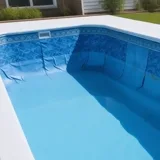
Pool liner services in Charlotte
Pool Liner Replacement
A vinyl liner is the waterproof skin of the pool, and Charlotte pools replace one every 5 to 15 years.
Vinyl Pool Liner
Almost every inground pool without a concrete or fibreglass finish is a vinyl-liner pool, and the liner is a consumable.
Inground Pool Liner
An inground liner is fabricated to your pool, not pulled off a shelf, so measurement quality decides the result.
Above Ground Pool Liner
Above-ground liners are the cheapest job in this niche and the one homeowners most often try themselves.
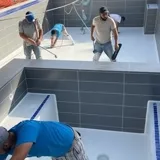
Pool Liner Repair
Not every liner problem needs a new liner, but the ones that cannot be repaired are usually the ones that get patched too long.
Pool Wall And Floor Repair
A new liner over a failing shell is money spent twice.
Areas we serve
Charlotte
Pool liner replacement in Charlotte, NC - costs, water and soil notes.
Huntersville
Pool liner replacement in Huntersville, NC - costs, water and soil notes.
Concord
Pool liner replacement in Concord, NC - costs, water and soil notes.
Gastonia
Pool liner replacement in Gastonia, NC - costs, water and soil notes.
Matthews
Pool liner replacement in Matthews, NC - costs, water and soil notes.
Mooresville
Pool liner replacement in Mooresville, NC - costs, water and soil notes.
Kannapolis
Pool liner replacement in Kannapolis, NC - costs, water and soil notes.